Running out of warehouse space can affect more than storage. Inventory may move into aisles, shipping areas may become crowded, and teams may spend more time handling materials. A modular warehouse building offers a way to add capacity, but choosing the right structure starts with understanding how your operation will use it.
Can you increase capacity in your current footprint?
First, identify what is consuming space. Review rack usage, aisle widths, staging areas, and inventory that remains on site longer than expected. Some operations can gain capacity by changing their layout or inventory practices.
If the shortage affects receiving, production, and shipping as well as storage, a layout change may only buy a little time. Document where work slows down and what additional space would allow your team to do. This helps you decide whether you need an expandable warehouse building or a different operational change.
For more signs that space has become a constraint, see Anchor’s guide to when it’s time to expand.
What will the new warehouse need to hold and support?
Square footage is a starting point, but it does not describe a working warehouse. List the activities the new space must accommodate:
- The type and amount of inventory or equipment
- Receiving, storage, picking, production, or shipping activities
- Rack heights and equipment clearance
- Loading access and vehicle movement
- Space needed for safe, efficient material flow
Separate your current requirements from expected growth. If you anticipate more inventory, a new production line, or changes in distribution, include those possibilities in the initial conversation. The goal is to plan a modular warehouse building that works for daily operations and can adapt as demand changes.
What does your site require?
The proposed location affects the building plan. Review access for deliveries and installation, the available area, ground conditions, utilities, drainage, and how the new space will connect to your existing workflow.
Local approval and building requirements also matter. Before committing to a schedule, identify which site reviews and approvals your project will need and who will manage them. Discuss your intended use, location, and performance requirements with the project team so proposals are based on the same scope.
How long will modular warehouse construction take?
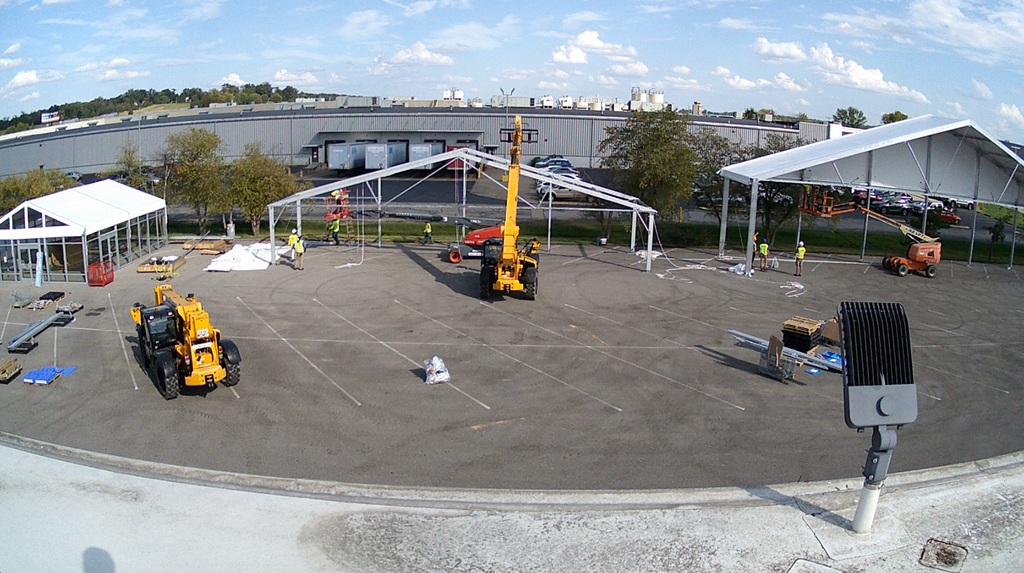
There is no useful universal timeline for every modular warehouse project. The schedule depends on the selected structure, site preparation, required approvals, delivery, and installation.
Ask potential suppliers for a timeline that shows each step, including the work your team must complete before installation. That will help you see what can happen in parallel and what could delay occupancy. If speed is the reason for expanding, ask which decisions and site tasks need to happen first.
What should you compare besides the building price?
A proposal should make clear what is included. Along with the structure, consider site work, access, utilities, installation responsibilities, and any features your operation needs. Compare options against the same requirements so a lower initial quote does not hide work that will fall to your team.
Consider the cost of staying in your current space, too. Off-site storage, extra handling, and disrupted workflows may affect the decision, even if they do not appear in a construction quote.
Will your space needs change again?
Think beyond the first use of the building. Could inventory increase? Might you change the layout, add capacity, or move operations later? These questions can influence the size, placement, and configuration you choose today.
Anchor Warehouse structures are designed to be expandable and relocatable. If you are weighing a warehouse structure against a shorter-term option, Anchor’s warehouse and clear span comparison explains how the intended use and duration affect that choice.
Ready to Plan Your Expansion?
If you need more room for storage, production, or distribution, talk with the Anchor Warehouse team. Share your site, timeline, and operational needs to explore the right structure for your next stage of growth.
